

Arabic
أهلا وسهلا بكم في جامعة واشنطن آند لي

Welcome to Arabic at ÄûÃÊÊÓƵ! We are excited to offer five continuous semesters of Arabic coursework that reflect the rich social, linguistic, and cultural diversity of the Middle East and North Africa. Our innovative curriculum introduces students to Modern Standard Arabic (the written language) and prioritizes the cultivation of students’ communicative abilities in the Levantine vernacular (the spoken language). We strive to create global citizens and support student learning through the development of language-learning strategies and critical thinking skills. Students at W&L can earn a minor in Arabic (6 courses; 20 credits), beginning in Fall Term 2025.
Arabic is the fourth most spoken language in the world. It is the mother tongue of over 300 million people in nations such as Morocco, Tunisia, Egypt, Lebanon, Israel/Palestine, Jordan, and the United Arab Emirates. Proficient Arabic speakers can pursue thrilling careers in business, diplomacy, intelligence, education, law, interpretation/translation, journalism, and more.
Feature Stories
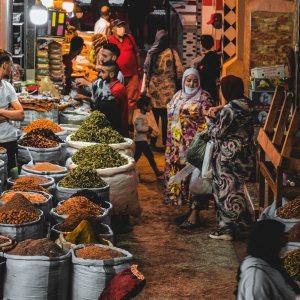
Washington and Lee’s Center for International Education awarded funding to the sophomores to study Arabic in Meknes, Morocco, this summer.
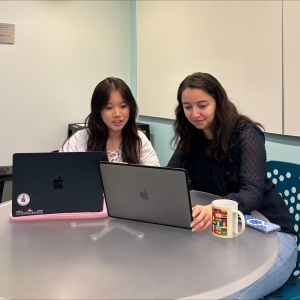
A new student-initiated program at Washington and Lee invites the campus and wider Rockbridge area communities into informal world language practice.
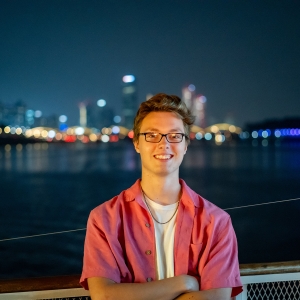
Brandon Bishop ’26’s journey shows how W&L’s global opportunities, language instruction and fellowships can transform a student’s path.
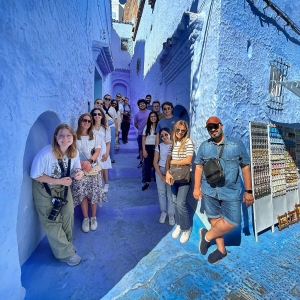
Washington and Lee’s new Arabic minor grew out of its innovative, interdisciplinary Middle East and Southeast Asian Studies program.
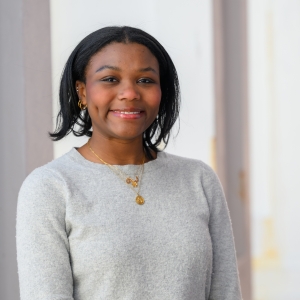
The recent graduate will serve a year-long fellowship studying Arabic in Morocco.
This round of recipients marks a record-setting Gilman Scholar cohort for W&L.

The Gilman Scholarship Program offers awards of up to $5,000 to U.S. undergraduate students who are Pell Grant recipients.
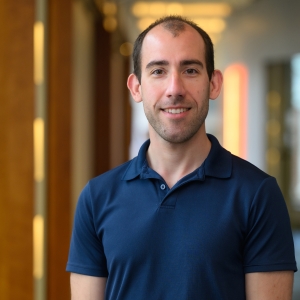
Anthony Edwards, professor of Arabic, brings his boundless energy to his teaching, research and mentorship of students.

Washington and Lee’s Center for International Education awarded deBuchananne funding to study Arabic at the University of Jordan this summer.

Anthony Edwards’ article focuses on the 19th-century Orientalist Gregory M. Wortabet.
Anthony Edwards illustrates his case study that focuses on Khalīl al-Khūrī, a central figure of the Nahḍa.
Arabic professor Anthony Edwards recently published a paper titled “Becoming the Muʿallim: how tradition and innovation made a Nahḍa icon.”
Arabic Instagram
Anthony Edwards
Associate Professor of Arabic
- P: 540-458-8396
- E: edwardsa@wlu.edu
- Ruscio Center for Global Learning 238